Bulk liquid waste removal and general liquid waste services in Australia aid many businesses with their industrial liquid waste management.
In 2025, more Australian industrial sites are reviewing how they store, transport, treat, and report on liquid wastes, and many are shifting to bulk liquid waste management providers for better safety, stronger compliance, and clearer cost control.
This is true for the different types of grease trap waste, hazardous waste, septic waste, and general industrial liquid waste.
In this guide, we’ll break down what’s changing in Australia, what “good” looks like in a bulk liquid waste program, and the practical questions to ask when you’re choosing a partner.
What is bulk liquid waste management (and what counts as “bulk”)?
Bulk liquid waste management refers to the end to end handling of significant volumes of liquid waste.
This comprehensive process encompasses everything from initial classification and safe collection to transport, specialised treatment, recycling where possible, final disposal, and rigorous documentation.
Bulk liquid waste management is something that we explore in greater detail in our blog Bulk Liquid Waste: Key Services Defined.
Why the focus is increasing in 2025: three forces shaping industry decisions
The landscape of liquid waste management is evolving rapidly, driven by a combination of regulatory pressure, economic necessity, and environmental responsibility.
1) Stricter compliance expectations (and less tolerance for “best effort” paperwork)
Regulators across the country are tightening expectations regarding waste classification, tracking, and lawful disposal.
There is a heightened focus on preventing harm to soil, stormwater, groundwater, and air quality.
For many site managers, the primary challenge is not a single regulation, but the overarching system required to maintain consistent records and a defensible chain of custody.
At an operational level, this forces businesses to ask whether each liquid waste stream is correctly documented, if there is traceable evidence of lawful transport, and if storage practices align with safety requirements.
Relying on ad hoc pickups or incomplete documentation has become a significant practical risk that integrated management helps to mitigate.
2) Cost pressure is pushing sites towards integrated services
Managing bulk liquid waste becomes prohibitively expensive when processes are fragmented.
High costs often stem from emergency callouts, unplanned downtime, and rework caused by rejected loads or misclassified wastes.
Many forward thinking sites are now consolidating their requirements under a single provider capable of managing scheduled collections aligned to production cycles and compatible transport solutions for various liquid types.
This integrated approach does more than just reduce administrative overhead; it prevents the accidental contamination of compatible waste streams, which otherwise forces businesses into much higher cost disposal options.
3) Sustainability goals are becoming more measurable (and more operational)
Sustainability commitments have shifted from vague intentions to measurable outcomes, particularly in sectors like mining, manufacturing, and infrastructure.
Bulk liquid waste programmes support circular economy goals by enabling the recovery of oil and hydrocarbons for beneficial reuse and utilizing water separation techniques to reduce total disposal volumes.
Improved segregation ensures that recyclable liquids are not tainted by non recyclable contaminants.
Even when recycling is not feasible for a specific stream, a well managed programme reduces environmental risk through correct containment and compliant disposal.
What “good” looks like: the bulk liquid waste management lifecycle
When reviewing providers or building an internal business case, it is helpful to evaluate bulk liquid waste management as a continuous lifecycle rather than a one off collection service.
Step 1: Identify and classify waste streams (site specific and defensible)
The process begins by cataloguing every liquid waste stream and identifying exactly where it is generated on site.
This stage is vital for confirming contamination risks and chemical incompatibilities to prevent unsafe mixing.
Once the profile is understood, specific storage and transfer requirements are defined to ensure both safety and regulatory compliance.
Step 2: Safe storage and containment (before the truck arrives)
Before waste is collected, it must be stored in appropriate tanks, IBCs, drums, or bunded areas tailored to the specific liquid.
This stage focuses on implementing controls that prevent leaks and protect stormwater systems.
Clear labelling and strict segregation are essential to reduce the risks associated with manual handling and chemical reactions.
Step 3: Collection and transport (planned, licensed, traceable)
Efficient management relies on scheduled pickups that prevent tank overflows, facility shutdowns, or the need for expensive emergency transfers.
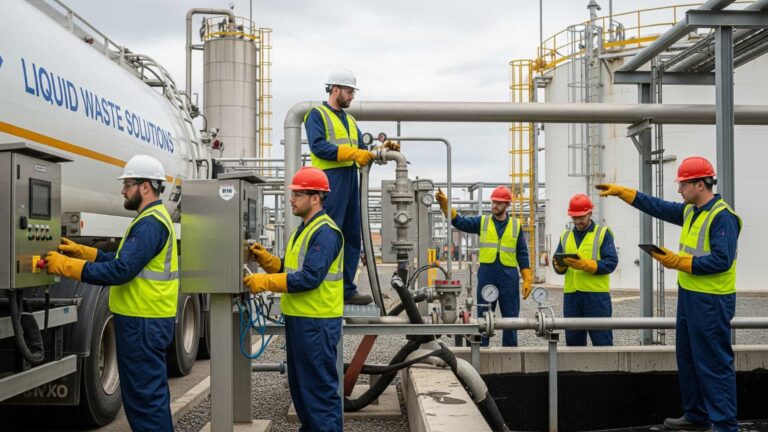
Providers must use fit for purpose vacuum tankers and specialised equipment operated under a clear chain of custody process.
This ensures that all transport activities remain fully aligned with national transport and environmental standards.
Step 4: Treatment, recycling, or lawful disposal (the outcome matters)
The treatment pathway must be matched specifically to the waste profile rather than applying a “one size fits all” solution.
Wherever feasible, resource recovery options should be prioritised and properly documented.
The final disposal must be demonstrably legal, safe, and fully auditable to protect the producer from future liability.
Step 5: Reporting that stands up to audits (and helps you improve)
A high quality management programme concludes with robust reporting that includes precise weight and volume records, collection dates, and destination tracking.
These insights do more than just satisfy auditors; they provide the data necessary to identify waste minimisation opportunities, allowing businesses to reduce waste generation over time rather than simply moving it off site.
Some Benefits for industrial and civil operators (beyond “getting rid of waste”)
Bulk liquid waste management needs management, and there are some ways to do it better than others. This key difference comes down to both the nature of the liquid waste and your own companies waste management needs.
Luckily, we at Direct Waste have years of experience in the industry. We understand how best to deal with bulk liquid waste.
Regulatory confidence
With the right provider, bulk liquid waste becomes a managed compliance process rather than a recurring uncertainty.
This is particularly important for hazardous or high risk liquids, where mistakes can escalate quickly.
Fewer operational surprises
Planned collections and fit for purpose equipment reduce the chances of:
- Overflow incidents
- Last minute emergency callouts
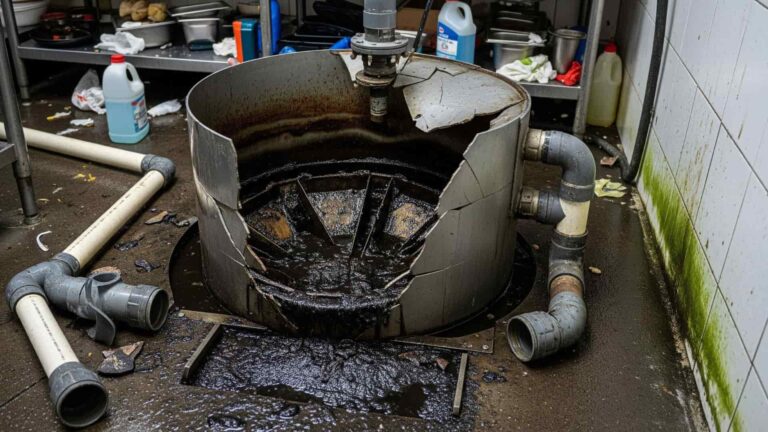
- Production interruptions caused by full pits, tanks, or interceptors
Cost control through better segregation and recovery
Bulk liquid waste costs are heavily influenced by contamination and treatment complexity. Improving segregation can materially change your disposal pathway, and therefore your cost base.
Stronger safety outcomes
Liquid wastes can involve chemical exposure risks, slip hazards, vapours, and environmental release risks. Using a specialist reduces the chance that site teams are forced into unsafe handling decisions.
What’s changing in the market: capacity, technology, and infrastructure investment
Australia’s waste management market continues to expand, driven by population growth, infrastructure delivery, and industrial activity. At the same time, treatment capacity and reporting expectations are lifting.
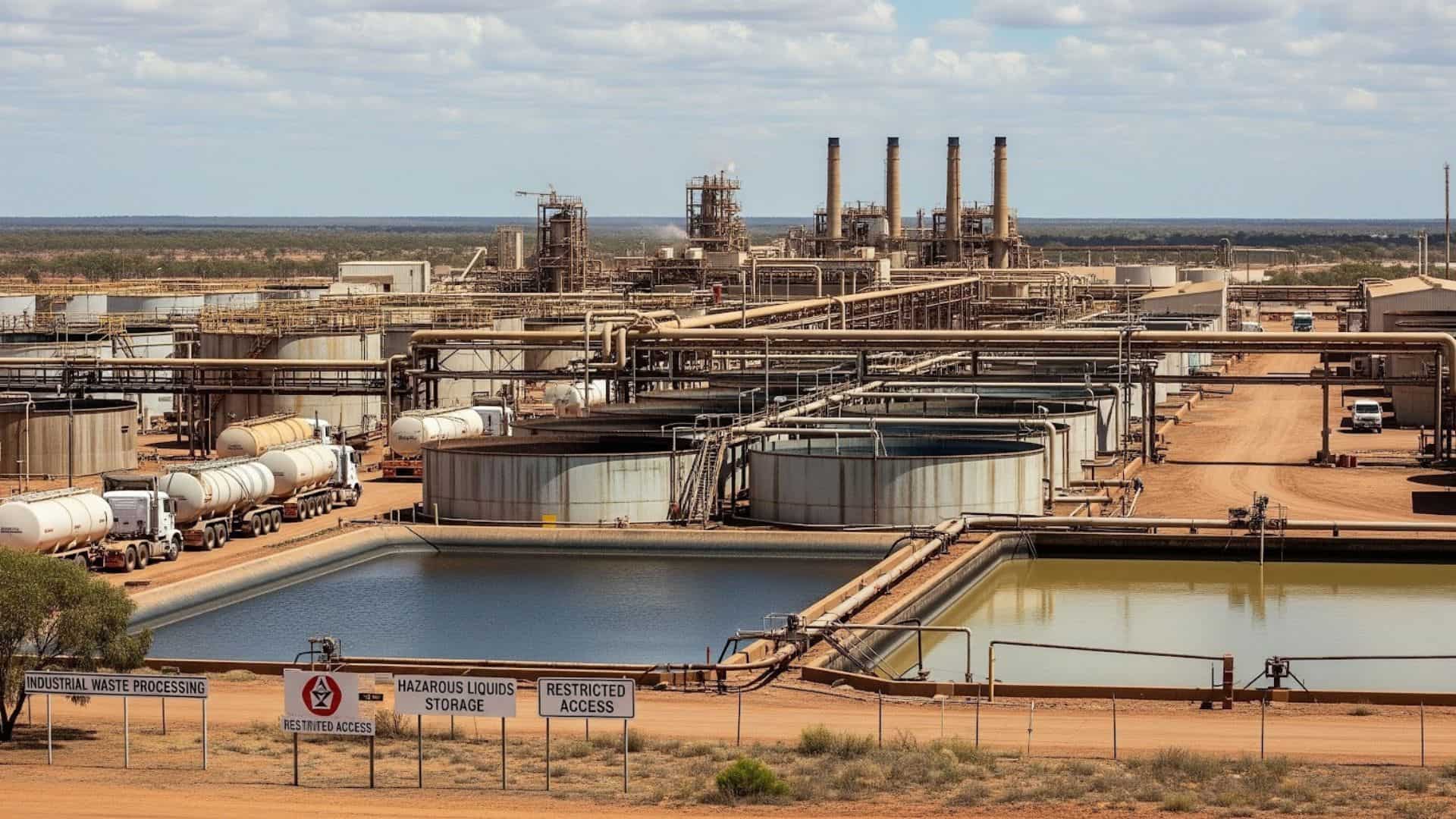
We’re also seeing increased investment in high capacity liquid processing facilities and improved systems that support traceability, treatment efficiency, and resource recovery.
For many generators, the practical takeaway is simple: partnering early with a reliable provider can help you secure capacity and lock in consistent service as demand increases.
A practical checklist: questions to ask before choosing a bulk liquid waste partner
If you’re evaluating vendors (or validating an incumbent), use this checklist to structure your due diligence.
Compliance and traceability
- Can they explain the compliance steps clearly, including documentation and chain of custody?
- Do they provide reporting that supports audits and internal ESG requirements?
- Can they manage hazardous liquid waste streams under appropriate licensing and procedures?
Safety and risk management
- Do they have clear safety processes for transfer, transport, and emergency response?
- Can they support site specific requirements (access constraints, shutdown windows, high risk areas)?
- Do they help prevent unsafe practices, such as mixing incompatible liquids?
Capability and service fit
- Can they handle your full range of liquid waste streams (oily water, acids, wastewater, sludge)?
- Do they offer supporting services like tank cleaning, high pressure clean and capture, or NDD where relevant?
- Can they scale with your operations across multiple sites?
Sustainability and circular economy outcomes
- What treatment or recovery pathways are available for your streams?
- How do they measure and report recovered vs disposed volumes?
- Can they provide practical recommendations to reduce waste generation over time?
Mini example: avoiding downtime with planned bulk liquid waste collections
A manufacturing site generating oily wastewater from wash down activities was relying on reactive pump outs when tanks were near capacity.
Collections were frequently booked late, leading to production interruptions and elevated spill risk during transfers.
By moving to a planned bulk liquid waste management schedule, the site was able to:
- Align collections with peak production periods
- Reduce emergency callouts
- Improve segregation and reduce contamination related costs
- Strengthen audit readiness with consistent documentation and reporting
The operational impact was as important as the compliance outcome: fewer surprises, and a cleaner, safer waste area.
Where Direct Waste fits: practical, compliance led bulk liquid waste solutions
Direct Waste supports Australian industry with responsible, end to end waste solutions focused on safety, compliance, and reliability.
If your site generates complex or hazardous liquid wastes, Direct Waste can help you set up a defensible program that protects people, assets, and the environment.
- Hazardous and complex waste expertise for industrial liquid streams
- Integrated services that reduce third party handoffs
- Audit friendly documentation and reporting designed for real world compliance needs
- Emergency support when incidents occur
Spill? Call our 24/7 emergency spill response team on 1300 785 003—we’ll move quickly to contain and remediate, helping minimise downtime and environmental risk.
For scheduled bulk liquid waste management, you can also learn more about Direct Waste.
Frequently asked questions
Is bulk liquid waste always classified as hazardous?
No. Some liquid waste streams are non hazardous, while others may be regulated as hazardous depending on their composition and contaminants. Classification is site specific and should be confirmed through appropriate assessment and compliant processes.
Can bulk liquid waste be recycled?
Some streams can be treated or recovered (for example, certain oily waters, glycols, or process waters), but it depends on contamination, volumes, and available treatment pathways. A specialist provider can advise on feasible recovery options and compliant outcomes.
What should we do if we have an unexpected leak or spill?
Prioritise safety, isolate the area, and engage a specialist spill response team. If you need immediate assistance, Direct Waste’s 24/7 emergency response line is 1300 785 003.
Next step: book a waste audit to reduce risk and control costs
If bulk liquid waste is creating uncertainty on your site—compliance questions, rising disposal costs, recurring pump outs, or spill risk—a structured waste audit is often the fastest way to clarify what’s happening and what to fix first.
- Identify and map liquid waste streams
- Find quick wins for segregation and storage
- Confirm compliant treatment and disposal pathways
- Build a planned collection schedule that reduces downtime