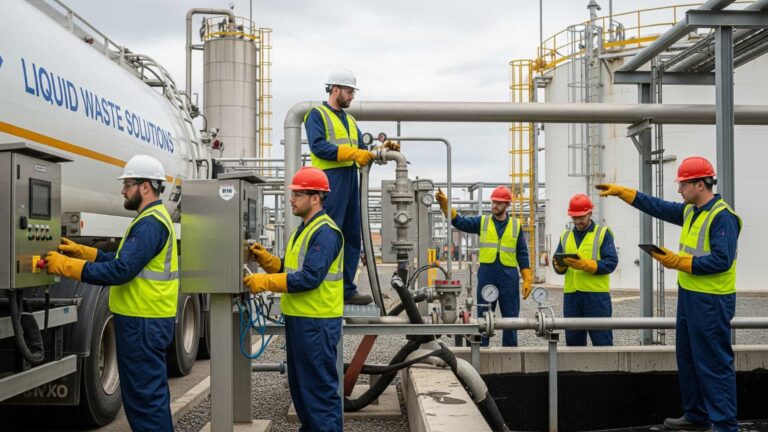
The New Year is one of the busiest periods for hospitality across Southern Australia.
From Adelaide to Melbourne and regional centres throughout South Australia, Victoria, and New South Wales, commercial kitchens ramp up service, menus, and trading hours, all putting strain on grease traps and their connected sewer systems.
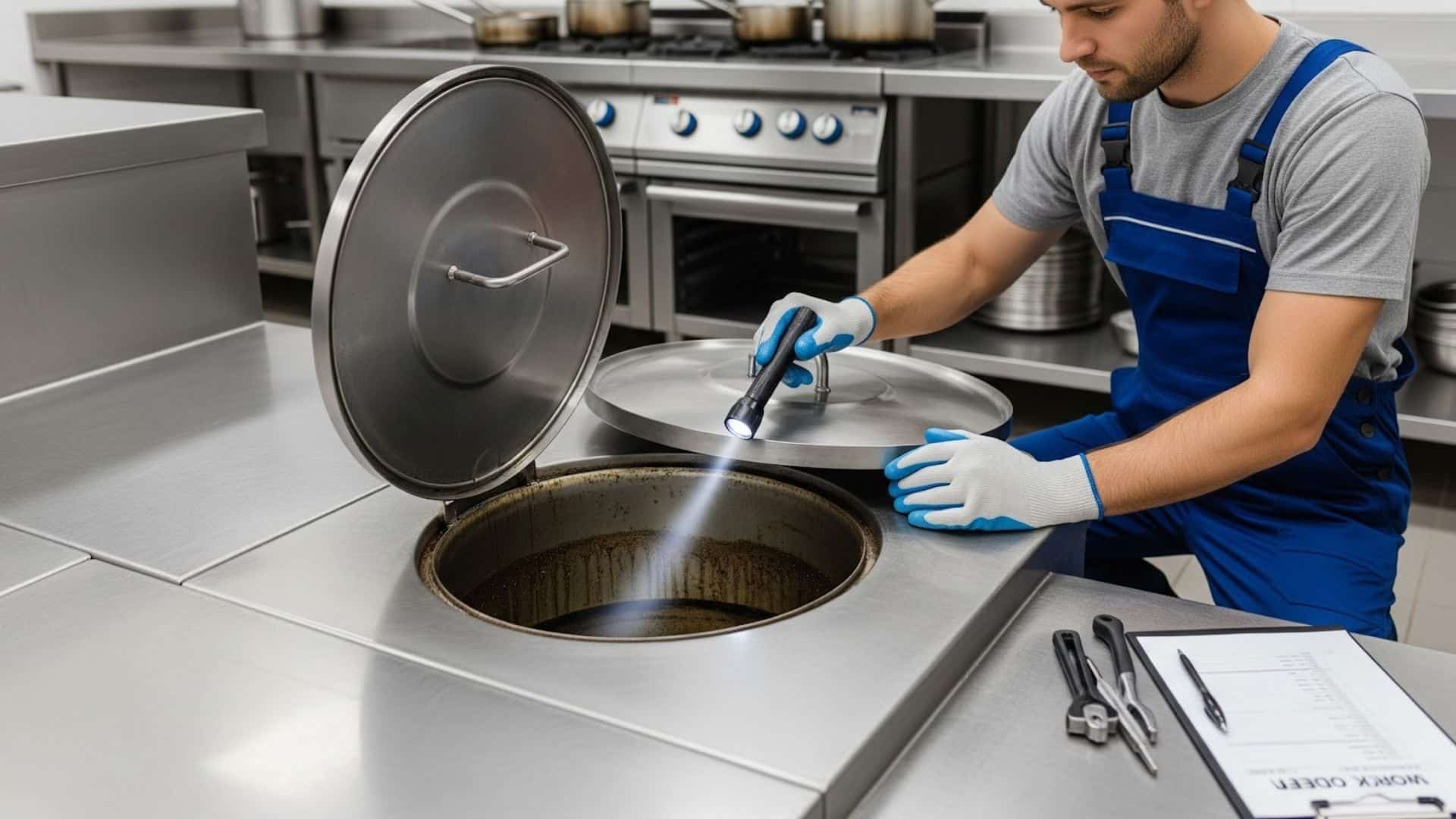
There’s one operational task that’s easy to miss during the post holiday rush: scheduling a grease trap cleaning check and service.
A grease trap that’s near capacity can quickly become a compliance risk, a maintenance problem, and an avoidable disruption to trade.
In this guide, we’ll break down what grease traps do, when to check them, what a professional service includes, and how to set a simple maintenance plan for 2026.
What a grease trap does (and why it matters)
A grease trap (also called a grease interceptor) captures fats, oils, and grease (FOG) plus food solids from kitchen wastewater before it enters sewer lines. This protects:
- Your plumbing (reducing the chance of blockages and overflows)
- Local sewer infrastructure (preventing fat build ups and costly downstream maintenance)
- The environment (minimising the release of pollutants into waterways)
Across Southern Australia, trade waste obligations are enforced by local water authorities and councils. If your grease trap isn’t maintained, you can face compliance action, fees, or requirements to increase servicing frequency.
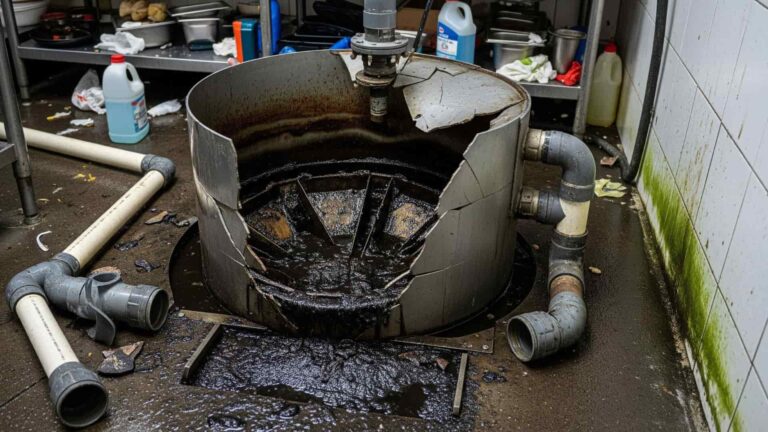
We also recommend reading our blog Warning Signs that Your Grease Trap is Failing.
Why the New Year is the perfect time to book a grease trap cleaning
Summer trading patterns can push grease traps to their limits: higher foot traffic, more frying and grilling, and greater volumes of dishwashing and cleaning.
After Christmas and New Year service, it’s common for traps to be fuller than expected.
Booking a check early in the year helps you start strong by reducing the likelihood of:
- Unpleasant odours around floor wastes, sinks, and service areas
- Slow drains and backups that disrupt kitchen operations
- Grease trap overflows that can create hygiene issues and unplanned closures
- Emergency call outs and after hours plumbing costs
- Non compliance with your Trade Waste Agreement conditions
When should you check (and clean) your grease trap?
A practical rule used across the industry is to service your grease trap when it reaches 25–30% full. Beyond that point, FOG can begin to bypass the trap and flow into the wastewater system, increasing the risk of blockages and compliance issues.
Typical servicing frequency for commercial kitchens
Your ideal schedule depends on trap size, kitchen volume, menu type, and local requirements, but many businesses fall into these ranges:
- Every 1–3 months for most restaurants, cafés, and food courts
- Every 2–3 months (or more often) for high FOG kitchens (fast food, heavy frying, large venues)
- At least twice per year as a baseline in lower volume commercial kitchens (where permitted)
Important: Always follow the servicing frequency and record keeping requirements set out in your Trade Waste Agreement.
If you’re unsure what applies to your site, a licensed provider like us at Cleanway can help confirm a compliant schedule based on your operations and local authority expectations.
Signs your grease trap needs attention
Grease traps rarely fail without warning. Common indicators that it’s time to book a service include:
- Slow draining sinks or gurgling sounds in pipework
- Recurring drain blockages (especially after busy services)
- Persistent foul odours in or near the kitchen
- Grease build up visible around drains or fixtures
- Overflow or pooling water near the grease trap or inspection points
If you notice any of these, it’s worth acting quickly. Avoid attempting to clean or pump out a grease trap yourself; trade waste handling should be completed by appropriately equipped, compliant professionals.
What a professional grease trap service typically includes
A proper grease trap service is more than “pump and go”. A thorough job aims to restore performance, reduce odour, and provide documentation suitable for audits.
Standard steps during a grease trap service
- Vacuum pumping to remove FOG, wastewater, and settled solids
- Scraping and cleaning of internal surfaces, baffles, inlets, and outlets
- Strainer/filter cleaning or replacement (where installed)
- Inspection for damage, leaks, corrosion, or broken baffles
- Deodorisation where required and appropriate for the system
- Compliant transport and disposal/recycling at approved facilities
- Service reporting to support trade waste compliance and internal record keeping
What good reporting should give you
If you’ve ever been asked for trade waste records, you’ll know how valuable clear documentation can be. A solid service report should help you demonstrate:
- Service date and frequency (helpful for audits and inspections)
- Waste volumes removed (where measured)
- Condition notes (e.g., damaged baffles, blocked lines, excessive solids)
- Recommended next service date based on actual trap performance
Compliance in Southern Australia: what businesses should be thinking about
Trade waste rules exist for a reason: unmanaged FOG can damage sewer infrastructure and cause environmental harm. In practice, compliance usually comes down to two things:
- Maintaining your grease trap to the required standard
- Keeping records that prove you’re maintaining it
Where businesses run into trouble is typically not a single missed clean, but a pattern of delayed servicing, incomplete documentation, or repeated plumbing incidents that draw attention to the site.
Common compliance risks (and how to avoid them)
- Risk: Servicing too late (trap exceeds safe capacity)
- Prevention: Set a fixed schedule and adjust based on real volumes, not guesswork
- Risk: Incomplete paperwork for inspections/audits
- Prevention: Keep digital records of invoices, reports, and waste tracking information
- Risk: Odour and overflow complaints from neighbours or tenants
- Prevention: Maintain the trap, check lids/seals, and investigate recurring smell issues early
- Risk: Repeated drain blockages that suggest FOG bypass
Prevention: Clean at 25–30% capacity and ensure internal baffles and flow paths are functioning
A simple grease trap maintenance plan for 2026
If you want a practical, low admin system, the goal is consistency. Here’s a straightforward approach that suits most commercial kitchens.
Step 1: Confirm your trade waste requirements
- Locate your Trade Waste Agreement (or council/water authority conditions)
- Confirm any required service frequency and record keeping
- Note site specifics: trap size, number of fixtures connected, kitchen peak periods
Step 2: Set a servicing schedule (then stick to it)
- Most busy kitchens benefit from monthly or bi monthly servicing
- Lower volume sites may suit quarterly servicing, where permitted
- Build in an extra check after predictable peak periods (holiday rush, major events)
Step 3: Reduce FOG at the source (without slowing service)
You don’t need complicated processes to reduce grease load. Small habits make a measurable difference:
- Dry wipe cookware and plates before washing (paper towel/scrape into bin)
- Use sink strainers to capture solids before they enter the line
- Store used cooking oil in appropriate containers for collection (not down the drain)
- Train staff on what can and cannot go into the plumbing system
Step 4: Keep records in one place
- Create a simple folder (digital or physical) for service reports and invoices
- Note any incidents (odours, slow drains) and what action was taken
- Keep your provider’s details accessible for urgent support
Grease trap waste: where sustainability fits
Grease trap waste doesn’t have to be a “dispose and forget” process.
With the right handling and processing pathways, recovered materials can be diverted into more sustainable outcomes, supporting circular economy thinking compared to older disposal only approaches.
For businesses, the key is ensuring waste is:
- Collected and transported safely
- Processed through appropriate, compliant channels
- Documented so you can demonstrate due diligence
Choosing a grease trap provider in Southern Australia: what to look for
Providers operating across the region include names like Cleanway and other local liquid waste specialists. Whoever you work with, prioritise capability and compliance over “quickest and cheapest”.
A quick vetting checklist
- Compliance first processes (trade waste documentation and reporting)
- Reliable scheduling (so your service doesn’t slip during busy periods)
- Clear communication (pre service access requirements, time windows, and post service reports)
- Emergency support for overflows or urgent blockages
- Safe waste handling and responsible downstream processing
How Direct Waste helps: grease trap servicing that supports safety and compliance
Direct Waste supports commercial sites with dependable grease trap servicing designed to minimise disruption, protect plumbing assets, and keep your trade waste obligations on track.
If you manage multiple venues, tight operating hours, or compliance reporting requirements, having a consistent service plan can make the difference between smooth trading and recurring preventable incidents.
To discuss a service schedule or get started, visit Direct Waste grease trap and septic services or request a quote.
New Year takeaway: book the check before it becomes a problem
Grease traps are easy to ignore when everything is running smoothly, but they tend to fail at the worst possible time: during peak service, short staffed shifts, or the first big weekend back after holidays.
If you’re heading into a busy trading period in Southern Australia, a grease trap check now is one of the simplest ways to protect your kitchen, your customers, and your compliance position.
Next step
- Want a set and forget servicing schedule? Contact Direct Waste to organise a compliant grease trap service plan and keep your records audit ready.