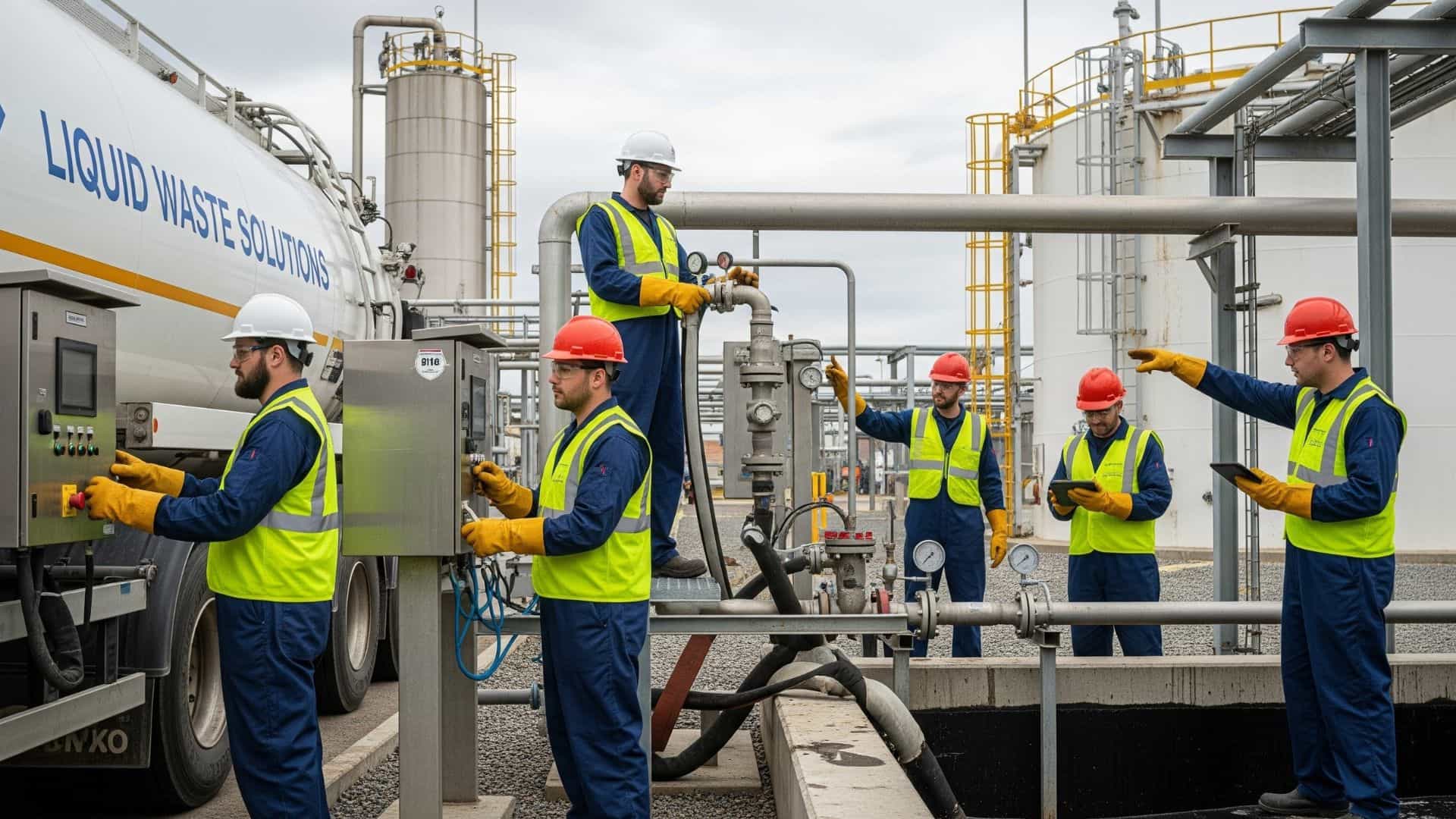
Liquid waste management is more than a compliance checkbox. It protects people, assets and the environment. It’s also central to sustainable liquid waste disposal operations.
Proper liquid waste management services, whether they deal with hazardous liquid waste materials, septic waste, industrial wastewater, or just portable toilets, all know that regulatory compliance and safe disposal are paramount.
We at Direct Waste help to ensure this.
This guide explains how to identify, handle and treat liquid waste safely, meet Australian regulations, and know when to call in a specialist like Direct Waste.
Why liquid waste management matters
Improper disposal contaminates waterways, degrades soil, harms wildlife, and can spread disease.
Good liquid waste management services, like the kind we offer at Direct Waste, helps to prevent this.
As Australian cities and industry grow, volumes of wastewater and hazardous liquids are rising, increasing the risk — and the responsibility — for facilities, councils and contractors to manage it correctly.
Some of the benefits of working with a dedicated bulk liquid waste management team include:
- Prevents asset damage and production downtime
- Supports circular-economy outcomes (recovery, recycling, reuse)
- Demonstrates compliance with Environmental Protection Agency (EPA) standards
What counts as liquid waste?
“Liquid waste” includes any free-flowing waste with high moisture content generated by domestic, commercial or industrial activities.
Different streams require different handling.
- Non-hazardous: domestic wastewater, wash-down water, some trade waste
- Hazardous: chemicals, solvents, contaminated wash water, oils, fuels, sludges
- Food and hospitality: grease trap waste, cooking oil, rinse water
- Civil and industrial: drilling muds, interceptor pit waste, stormwater sediments
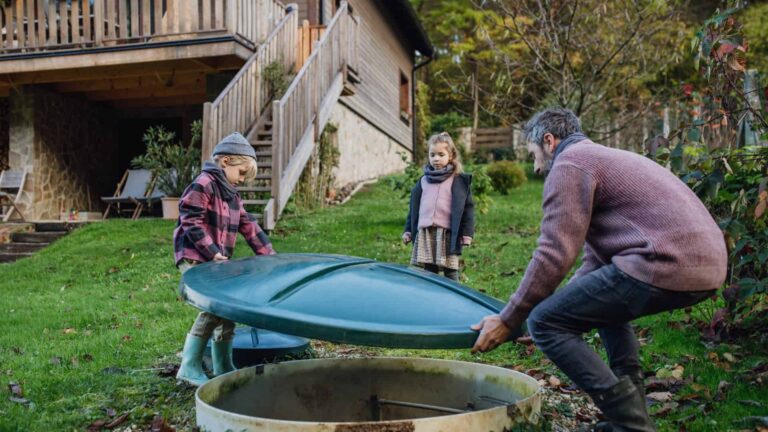
- On-site systems: septic tanks and pump-out waste
Step 1: Identify and segregate waste streams
Correct classification underpins everything else.
Misclassification can turn a minor clean-up into a regulatory breach, creating a major headache for something that could have been easily avoided.
Some recommendation on how to get classification right
- Label containers clearly (substance, hazard, date, source area)
- Keep incompatible wastes separate (e.g., acids vs alkalis, oils vs aqueous)
- Use dedicated, bunded and leak-proof containers sized to the task
- Maintain a simple waste register to support traceability and audits
- Engage a licensed provider for sampling and categorisation where needed
Step 2: Choose fit-for-purpose treatment and liquid waste disposal methods
Once the waste is identified and contained, we select treatment that minimises risk and meets regulatory requirements. Many facilities use a blend of methods.
Physical methods (the foundations)
- Screening: removes large debris to protect downstream systems
- Sedimentation/clarification: settles heavier solids to reduce loading
- Dewatering: reduces volume and transport costs for slurries and sludges
Chemical processes (for problem contaminants)
- Oil/grease separation: gravity separation, coalescing plates, coagulants
- Neutralisation: adjusts pH of acidic/alkaline streams to safe ranges
- Precipitation/oxidation: targets dissolved metals or organics
Biological approaches (efficient for organic loads)
- Activated and attached-growth systems for domestic and trade wastewater
- Root-zone/reed-bed polishing for low-energy tertiary treatment
- Biogas capture opportunities from high-strength organic waste
Advanced and circular-economy options
- Solidification/stabilisation for secure disposal of hazardous residues
- Membrane and zero-liquid discharge systems for high-compliance sites
- Resource recovery: oil recycling, water reuse, nutrient capture
Note: Never attempt treatment of hazardous liquids in-house unless you are licensed and equipped. For hazardous materials, engage a specialist.
Compliance in Australia: non-negotiable
Compliance safeguards people and the environment, and protects your organisation’s licence to operate.
- Use EPA-licensed transporters and facilities for collection and processing
- Maintain manifests, waste codes and disposal certificates for audits
- Follow site-specific trade waste agreements for sewer discharges
- Train staff in spill prevention and correct container handling
Tip: Build compliance into daily operations: scheduled pump-outs, equipment inspections, and simple checklists prevent small issues becoming incidents.
The business case: safety, savings and certainty
Good liquid waste management is smart operations management. It reduces incidents, avoids fines, and often cuts costs.
- Lower disposal volumes via dewatering and segregation
- Reduced downtime by preventing blockages and equipment damage
- Predictable costs through scheduled collections and clear scopes
- Brand and stakeholder confidence through transparent reporting
It’s also worth remembering that innovation is accelerating.
Some of the changes we’ve seen is that real-time monitoring, automation and data analytics are improving efficiency and traceability across treatment and logistics.
Common mistakes to avoid
- Mixing waste streams, which increases hazard and treatment cost
- Using the wrong container type or insufficient secondary containment
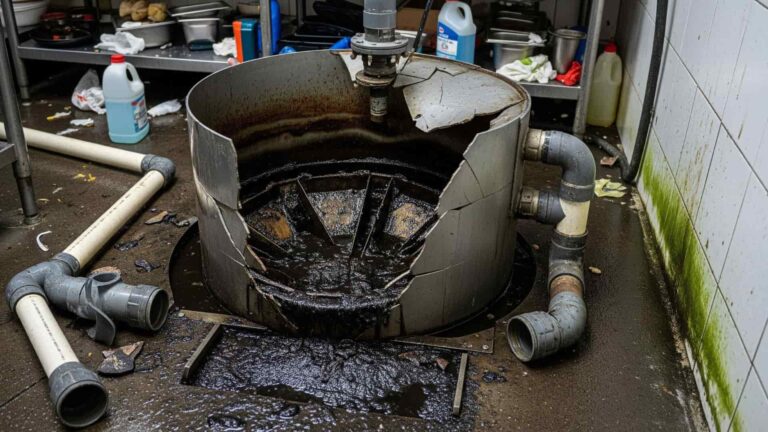
- Skipping maintenance on grease traps, interceptors and separators
- Relying on informal “ad hoc” pump-outs instead of scheduled service
- Attempting DIY neutralisation or chemical handling without a licence
When to call Direct Waste
Some situations require immediate expert help. Don’t put people or the environment at risk.
- Any spill of oils, chemicals or unknown liquids.
- Overflowing grease traps, septic tanks or interceptor pits
- pH extremes, strong odours, or visible sheen/foaming in drains
- Change of process or new waste stream you’re unsure how to classify
- Regulatory notice, audit or incident investigation
How Direct Waste manages liquid waste safely
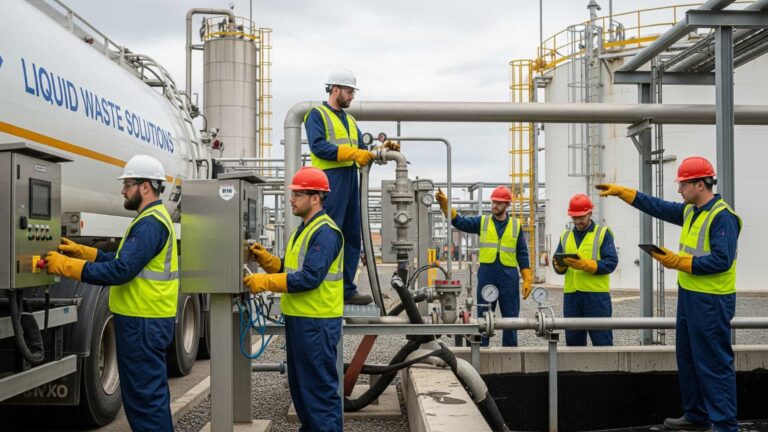
Direct Waste provides end-to-end services across hazardous waste collection and disposal, treatment and recycling, industrial and civil services, and 24/7 emergency spill response.
Our four-step process
Audit & classification: Site-specific review, sampling, and waste coding to determine the safest, most compliant pathway.
Collection & transport: EPA-licensed vacuum trucks and sealed containers with documented chain of custody.
Treatment & resource recovery: From separation and dewatering to advanced treatment and recycling where feasible.
Reporting & traceability: Manifests, disposal certificates and compliance documentation for your records.
Outcomes: minimised risk, reduced downtime, and transparent compliance, and all backed by practical expertise and fast response times.
Quick checklist for facilities and EHS managers
- Map all liquid waste sources on site and label storage points
- Separate hazardous and non-hazardous streams at the source
- Inspect bunding, valves and containers weekly Service grease traps, septic systems and interceptors on a schedule
- Keep manifests and certificates together for audits
- Train staff in spill prevention and escalation procedures
- Engage a licensed partner for hazardous streams and emergencies
Next steps
If you generate liquid waste, the safest move is a structured plan: identify, segregate, treat, document — and partner with a licensed provider.
Direct Waste solves hazardous and complex waste problems quickly and safely, protecting people, assets and the environment.