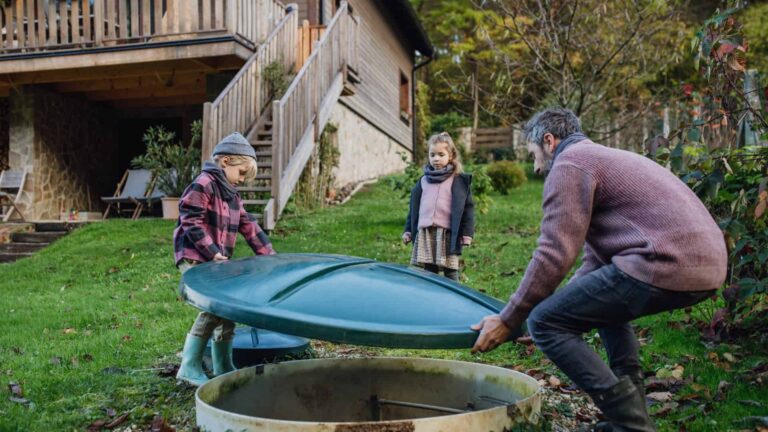
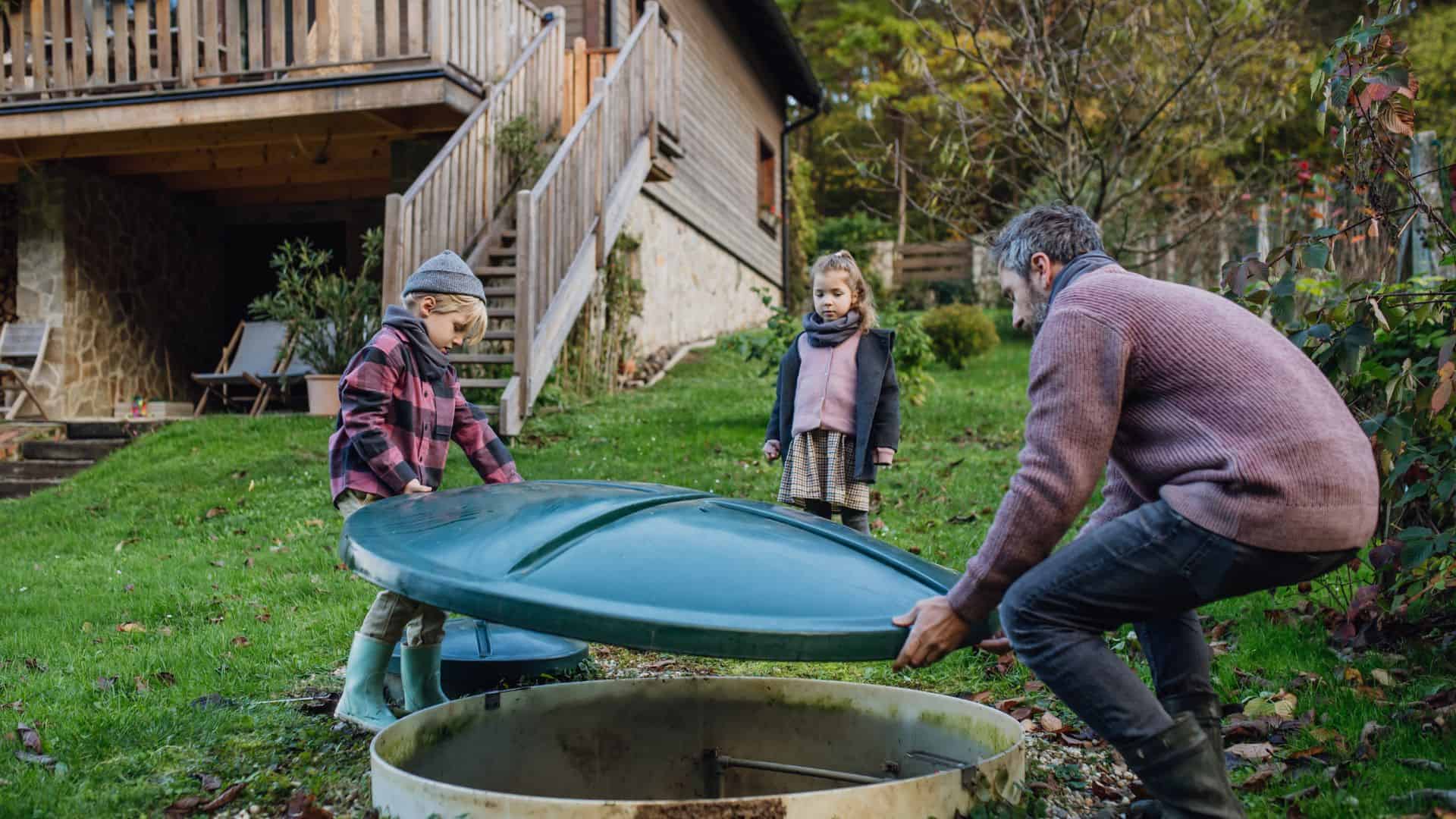
Septic tank systems are common in many Australian businesses and households, particularly those in rural areas as well as the disused septic tank systems people rely on in their holiday homes.
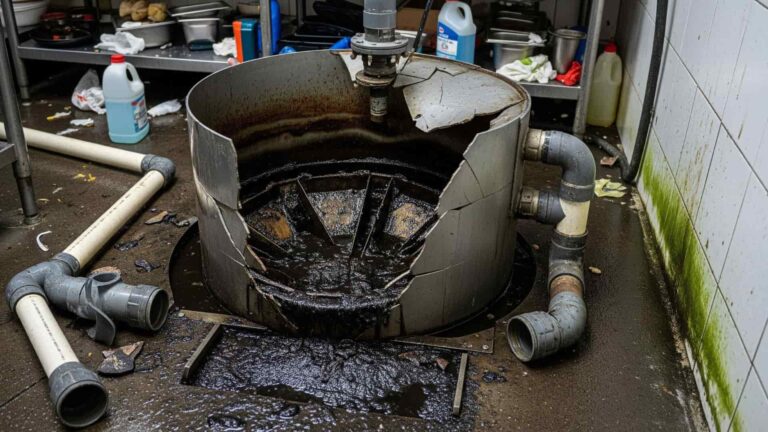
Unfortunately septic tank failures do occur. And their ever more frequent when a plumber or drainage contractor has not been at the system to ensure that it is functioning as intended.
We at Direct Waste work in the liquid waste and septic tanks world. We know septic tank designs, what they look like when they are properly draining into a sewerage system, and why maintenance of any wastewater treatment system is essential.
In this blog we look at why you should get your business or domestic wastewater septic tank system looked at. The last thing any one wants in costly repairs because your system tank has a fault.
Why properties need special care of their septic tank systems
Septic tank systems are the backbone of people’s homes, holiday homes, and rural guesthouses due to their relative easy of use and effectiveness.
Holiday homes and short-stay accommodation differ markedly from permanently-occupied residences, and those differences matter when it comes to septic tanks.
Properties may sit idle for extended periods, only to spring into life during school holidays, long weekends or peak holiday seasons.
When a system is suddenly pushed into high use, the demands on its holding-tank, drainage pipe, grease trap or effluent dispersal systems spike. These aerobic systems need fairly constant attention.
In addition, the nature of usage often differs. Heavy weekend loads, influxes of guests, unfamiliar users throwing inappropriate materials down toilets.
These all raise the risk of blockages, odours or system breakdowns. Many hosts may underestimate the strain a short-term rental property places on its wastewater infrastructure.
When Direct Waste attends to such systems, the logic is simple: proactive service keeps guests comfortable, protects the asset and avoids emergency call-outs when the holiday is spoiled by a septic tank issue.
Common problems for septic systems
There are several key risk factors holiday-property owners should keep in mind.
First, the “cold start” risk. A system that has been idle for some time may have settled sludge, or gaps may have formed in aeration or drainage lines. When full use resumes, the tank may struggle to handle the sudden load, with the potential for overflow or inefficient treatment.
Then there is the “guest factor”. With dozens of different users passing through, unfamiliarity often brings flushing of wipes, sanitary items or other non-biodegradable material. That adds to sludge build-up and reduces the effective capacity of the system.
Thirdly, remote or rural access adds a layer of difficulty. Many holiday properties are off the beaten track, and access by service providers may be limited or constrained by holiday traffic, weather or terrain.
That means that if the system fails, resolution can take longer and costs may escalate.
Finally, environmental exposure matters. Holiday homes often sit in scenic natural settings, near bushland, coastlines or rural waterways.
A malfunctioning septic system not only risks a foul smell or guest complaint but may also pose a threat to local vegetation, groundwater or surface water — something for any conscientious operator to consider.
What effective septic service looks like
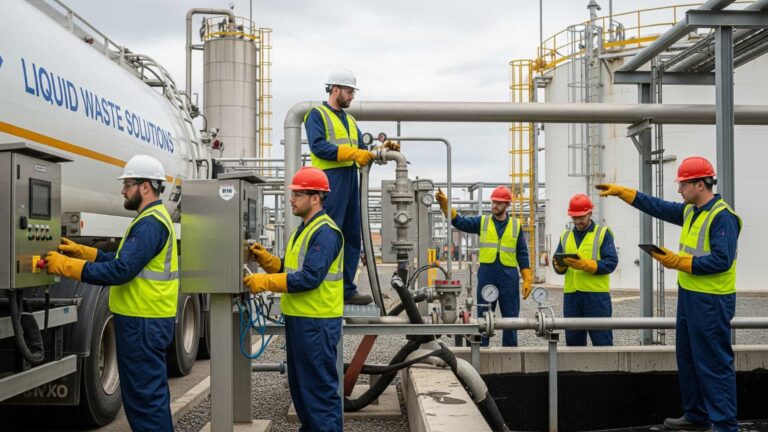
Working with a septic tank waste management partner like Direct Waste starts with scheduling a comprehensive inspection.
The tank is checked for signs of over-capacity, blockages are assessed, the condition of the absorption field is reviewed and any mechanical components (such as pumps or aerators) are tested. Owners receive a clear report that outlines current condition and recommended action.
Routine desludging forms a critical part of this service.
Ensuring the tank’s contents are removed at appropriate intervals restores capacity and reduces strain on the system when the holiday surge hits.
For accommodation providers, aligning this maintenance ahead of peak seasons offers peace of mind.
Service also involves educating property owners and guests. Clear guidelines on what should and shouldn’t be flushed, and reminding users of the impact of blockages, help reduce risk.
Supplementary signage in short-stay properties can assist compliance without fuss.
Access and timing are key. Direct Waste understands that many holiday homes require minimal disruption and often need service outside standard hours due to guest occupancy.
Advance scheduling before the holiday influx ensures systems are ready when they need to perform.
The benefits of septic system maintenance
The direct benefit is reliability: a septic system that is maintained means fewer last-minute call-outs, fewer guest disruptions and fewer surprises.
For guests, an uninterrupted stay free of unpleasant odours or plumbing issues reflects well on the host and supports repeat bookings and positive reviews.
From an operational perspective, effective service reduces the risk of major faults, which may require expensive repairs or even system replacement.
By investing in regular maintenance, the lifetime cost of the system can be lower and the risk of breakdown significantly reduced.
Environmentally, a well-managed septic system adheres to best-practice outcomes. It protects the local environment, avoids the risk of discharge or leakage and aligns with community expectations about holiday-properties maintaining standards of operation.
For hosts in scenic or rural settings, preserving the surrounding landscape is part of the appeal for guests.
Timing your docking and service cycles for peak holiday demand
It’s important to schedule service at the right time.
Ideally, inspectors should attend when the system is still under light load — for example, soon after the low-occupancy period before the high-season rush. That means any necessary maintenance can be completed without conflict with guest bookings.
Desludging and minor repairs are best completed when the property is empty or lightly occupied.
After a busy holiday period, a follow-up inspection during the quieter months can assess how the system performed and identify any wear or damage caused by the load. This post-season check provides valuable feedback and enables hosts to plan ahead.
Direct Waste can assist with creating a tailored maintenance calendar that matches usage patterns.
Choosing the right service partner in the Australian context
In selecting a partner for holiday-property septic services, look for a provider with experience in regional and remote settings, as well as an understanding of holiday-usage dynamics.
A provider like Direct Waste brings the benefit of national reach — covering popular holiday regions, coastal strips, rural shires and remote lodging sites.
Service flexibility matters. A provider that offers after-hours options or weekend attendance helps align maintenance with the holiday calendar.
Clear reporting and transparent scheduling also allow hosts to plan ahead and budget for service without unwelcome surprises.
Local knowledge of transport logistics, access challenges and seasonal weather events can make a significant difference to smooth execution.
A provider that understands the particular challenges of holiday sites — from narrow access roads to bush-fire season constraints — is a superior choice.
Practical tips for holiday-property hosts to maintain septic health
While engaging a professional is essential, hosts can contribute significantly to system longevity through good operational practice.
Monitoring the number of guests and their impact on the system is helpful; if the occupancy spikes unexpectedly, alerting the service provider ahead of time can allow for interim checks.
Guests should be provided with information about acceptable items in toilets and drains: emphasising that only biodegradable toilet paper and human waste go into the system helps reduce blockage risk.
Visual inspections between service visits also help — check for slow drains, pooling water near the absorption field or unexpected odours, and notify your provider at the first sign of performance change.
Where possible, spreading usage over multiple days (instead of a single burst) gives the system better performance.
Hosts should also keep clear records of service dates and findings — this aids compliance, operational continuity and gives a clear baseline to monitor system health.
Summary
For hosts and managers of holiday properties in Australia, the health of the septic tank system is a stealth but essential factor in guest satisfaction, property value and environmental stewardship.
Engaging a capable service provider like Direct Waste, scheduling maintenance ahead of heavy use, educating guests and monitoring the system’s performance combine to deliver reliability, cost-effectiveness and peace of mind.
A well-maintained septic system avoids guest disruption, protects the asset and upholds the surrounding environment — key outcomes for any holiday-property operator.